You turn on your car heater expecting warm air, but cold air keeps blowing instead. When Calgary temperatures drop to -30°C, a broken heater isn’t just uncomfortable — it can be dangerous for you and your family.
Your car’s heating problems usually stem from cooling system issues like low coolant, a blocked heater core, faulty thermostat, air pockets, or radiator damage. Understanding these common causes can help you identify when your vehicle needs professional City Wide Radiator automotive cooling system repair.
How Your Car’s Heating System Works
The Role of Your Radiator & Cooling System
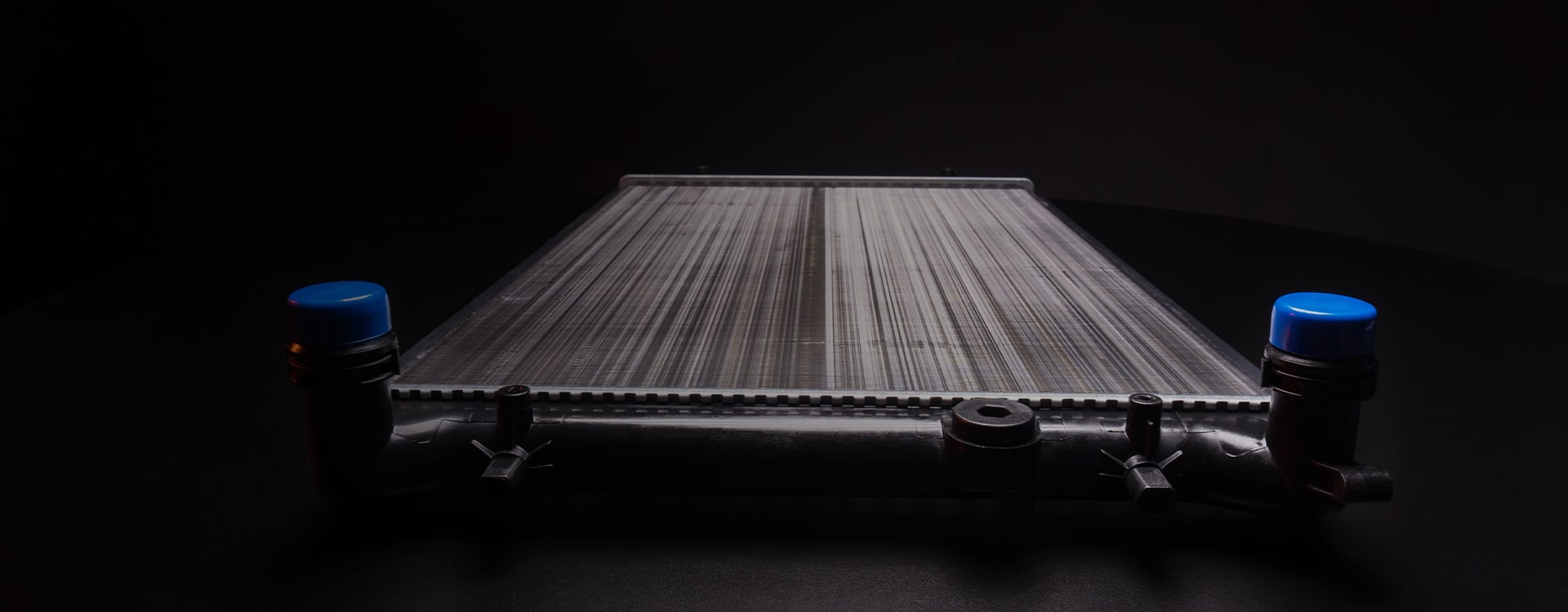
Your car’s heating system depends entirely on your cooling system working properly. The radiator and cooling system circulate hot coolant through your engine to prevent overheating. This same hot coolant becomes the heat source for your cabin.
When your cooling system has problems, your heater stops working too. That’s why radiator repair often solves heating issues that seem unrelated.
Heat Transfer From Engine to Cabin
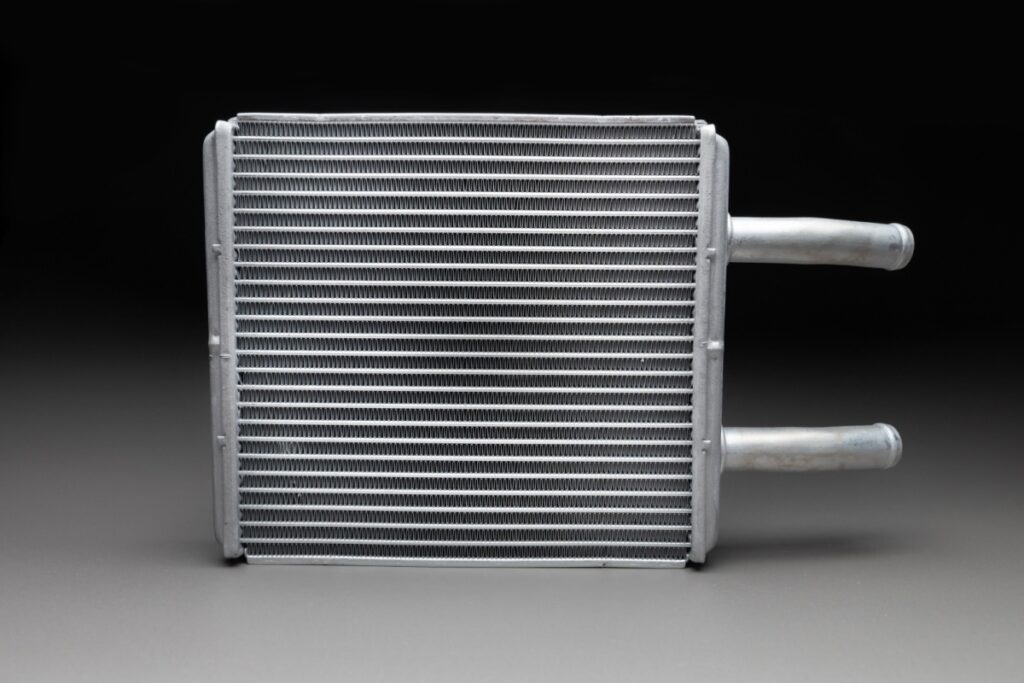
Hot coolant flows from your engine through small tubes in the heater core. When you turn on your heat, a fan blows air across these hot tubes. The warm air then travels through your vents into the cabin.
If coolant can’t reach the heater core or stay hot enough, you’ll only get cold air. Your engine creates plenty of heat — the challenge is getting that heat to you.
Key Components That Make Heat Possible
Several parts work together to bring you warm air. Your water pump circulates coolant, while the thermostat controls coolant temperature. The radiator helps maintain proper coolant levels and temperature.
The heater core acts like a tiny radiator inside your dashboard. When any of these components fail, your heat disappears even though your engine runs normally.
5 Common Reasons Your Heat Won’t Work
Low Coolant Levels
Low coolant is the most common cause of heating problems. Without enough coolant in your system, hot liquid can’t reach your heater core. You’ll notice weak heat or no heat at all.
- Coolant leaks from radiator or hoses
- Evaporation over time
- Previous repairs that weren’t properly filled
Blocked Heater Core
Your heater core can get clogged with sediment, rust, or debris over time. Even a partial blockage reduces heat transfer dramatically. Old coolant often creates corrosion that blocks these narrow passages.
- Sediment & debris buildup
- Corrosion from old coolant
- Reduced heat transfer
Faulty Thermostat
A broken thermostat can stick open or closed. When stuck open, your engine never reaches full operating temperature. When stuck closed, coolant can’t circulate properly. Both situations leave you with poor or no heat.
- Stuck open or closed position
- Engine not reaching proper temperature
- Inconsistent heat output
Learn more about checking your car thermostat for proper operation.
Air Pockets in Cooling System
Air trapped in your cooling system prevents proper coolant flow. You might get heat sometimes but not others. Air pockets often form after cooling system repairs when the system isn’t properly bled.
- Trapped air after repairs
- Improper coolant fill procedures
- Heat that comes & goes
Radiator Problems
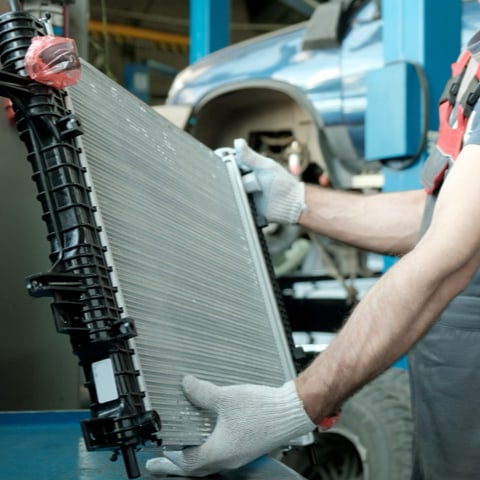
Radiator issues affect your entire cooling system. Internal clogs reduce coolant circulation to your heater core. Damaged fins or internal corrosion can prevent your radiator from maintaining proper coolant temperature and flow.
- Clogs reducing circulation
- Damaged radiator fins
- Internal corrosion
Signs Your Heating Problem Needs Professional Help
Temperature Gauge Warning Signs
Watch your temperature gauge carefully when your heat isn’t working. If it shows your engine running hot or cold, you need immediate radiator service. An engine that won’t reach normal temperature often means thermostat problems.
Coolant Loss You Can’t Explain
If you keep adding coolant but your levels stay low, you have a leak somewhere. Coolant leaks can happen in your radiator, hoses, water pump, or heater core. Professional diagnostic work can find hidden leaks you can’t see.
Sweet Smell Inside Your Vehicle
A sweet, syrupy smell inside your car usually means coolant is leaking from your heater core. This creates a safety hazard because coolant vapours can be harmful. You need heater core service right away.
Foggy Windows That Won’t Clear
Windows that fog up and won’t clear often indicate a leaking heater core. Coolant vapour creates persistent fog that your defroster can’t handle. This makes driving dangerous, especially in Calgary winter conditions.
What to Expect From Automotive Cooling System Repair
Diagnostic Process for Heat Issues
Professional diagnosis starts with checking coolant levels and testing your thermostat operation. Technicians pressure test your cooling system to find leaks and check coolant circulation. They also test your heater core for blockages or damage.
Radiator Repair vs Radiator Replacement Options
Minor radiator problems like small leaks or partial clogs can often be repaired. However, extensive corrosion or major damage usually requires radiator replacement. A radiator rebuild offers a middle option that restores your radiator to like-new condition.
Cooling System Flush & Refill
A complete system flush removes old coolant, rust, and debris that can block your heater core. Fresh coolant and proper system bleeding help improve heat transfer. This service often restores heat in vehicles with minor blockages.
Heater Core Service
Heater core problems require specialized service because the core sits deep inside your dashboard. Technicians can sometimes flush a blocked heater core, but severe damage means heater core replacement. This repair takes more time but restores full heating capacity.
Prevent Future Heating Problems
Regular Coolant System Maintenance
Change your coolant according to your vehicle manufacturer’s schedule. Fresh coolant prevents corrosion that blocks your heater core and damages your radiator. Most vehicles need coolant service every two to five years.
Learning more about engine coolant and radiator fluid can help you maintain your system properly.
When to Schedule Radiator Service
Have your cooling system inspected annually before winter arrives. Look for coolant leaks, check hose condition, and test your thermostat operation. Early detection prevents major repairs and keeps your heat working when you need it most.
Winter Preparation for Calgary Weather
Calgary winters demand reliable heat for safety. Check your coolant mixture to prevent freezing, and verify your heater works properly before cold weather hits. Address any cooling system problems in fall rather than waiting for winter breakdowns.
Signs to Watch for Year-Round
Monitor your temperature gauge and coolant levels regularly. Listen for unusual noises from your cooling system and watch for coolant puddles under your parked car. Pay attention to heating performance changes — weak heat often indicates developing problems.Don’t let heating problems leave you cold this winter. City Wide Radiator offers complete automotive cooling system repair, radiator service, and heat exchanger repair to keep your vehicle comfortable and safe. Contact us today for reliable heating solutions that work when Calgary winter puts your cooling system to the test.